
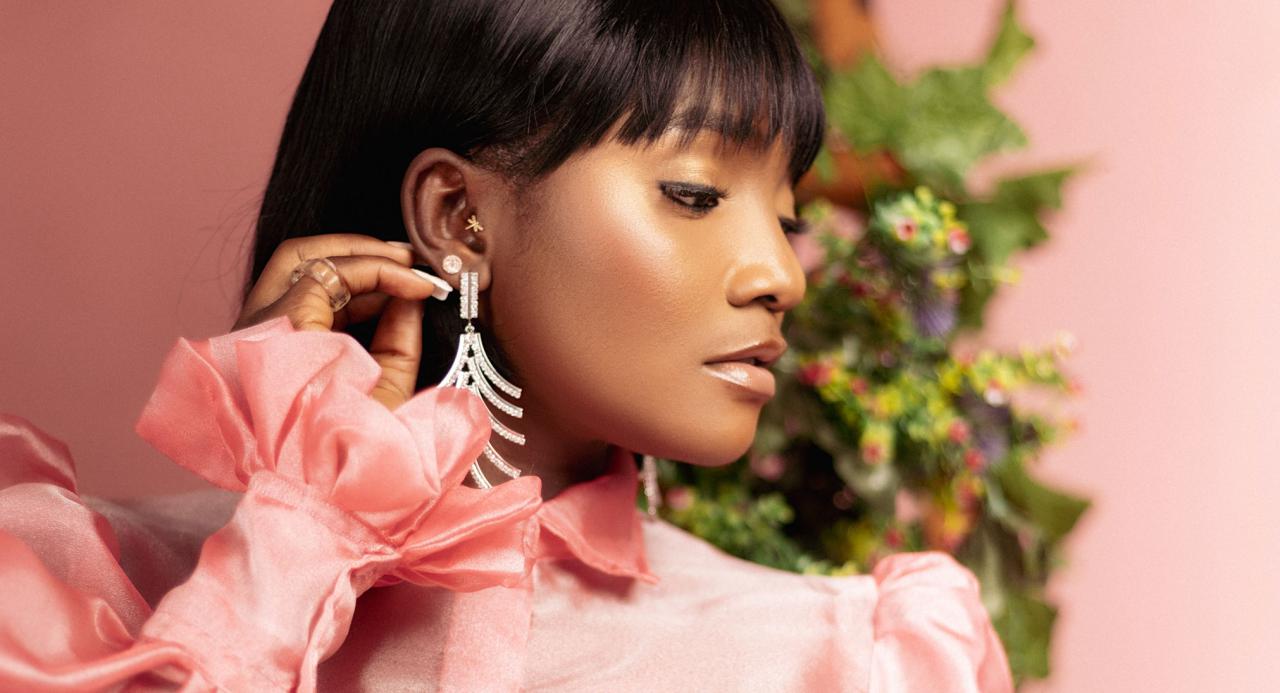
Nigerian singer and songwriter, Simi (Simisola Kosoko), has responded strongly after some of her old tweets resurfaced online following her recent outspoken comments against rape and sexual violence.
The renewed attention came amid heated social media discussions linked to the trending “Mirabel TikToker” case, where Simi publicly condemned rape and stated that rapists should face severe punishment. She also emphasized that nearly every woman she knows has experienced some form of sexual assault.

Shortly after, critics began circulating screenshots of tweets she made between 2012 and 2013, attempting to question her credibility.
Addressing the situation in a detailed statement shared on her social media page, Simi said she was alerted to the old posts and felt compelled to give context.
She explained that in 2012 she was living with her mother and assisting at her mother’s daycare centre while working hard to build her music career. According to her, Twitter at the time was used casually to document everyday experiences.

The singer clarified that the resurfaced posts referenced playful or funny moments involving children at the daycare and were never written with any inappropriate intent. She stressed that nothing she posted came from a place of perversion.

“I’ve never been depraved in my life,” she stated firmly, adding that she would not allow anyone to twist her words to fit false narratives.
Simi also revealed that some of the old tweets were being deleted due to how sensitive the situation had become for her family, even though she personally did not initially want them removed.
Reaffirming her stance, the mother of one maintained that her advocacy against rape and sexual violence is not performative.
“I have always spoken against rape and sexual assault, even before you knew I existed. It’s not a costume I’m wearing, it’s who I am,” she said.

The development has sparked mixed reactions online, with some defending her explanation and others continuing to debate the interpretation of the decade-old posts.
One thing is clear: the conversation around accountability, context, and social media history isn’t ending anytime soon.
Be the first to comment